Contact No : +91 7483937126





Contact No : +91 7483937126
Implement strategies to divert waste from landfills and incinerators, working towards a future with zero waste.
Recycling of waste is defined in the Waste Framework Directive as any recovery operation by which waste materials are reprocessed into products, materials or substances whether for the original or other purposes.
We can produce electricity and biogas with the help of different kinds of waste and materials that are discarded as waste products.
Collaborate with local communities to develop tailored waste management programs that meet their unique needs and priorities.
Providing transparent & legally compliant reverse logistic services to producers for collection of post-consumer plastic & e-waste.
We create employment options and opportunities in various fields in our company for those who can demonstrate their skills.
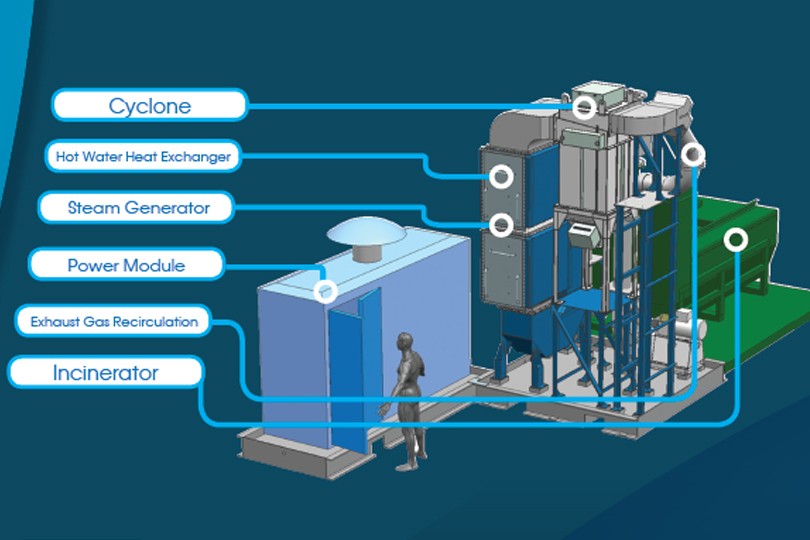
The heat produced by an incinerator can be used to generate steam which may then be used to drive a turbine in order to produce electricity. The typical amount of net energy that can be produced per tonne municipal waste is about 2/3 MWh of electricity and 2 MWh of district heating.?
Incineration or burning of non-recyclable solid waste helps to reduce the volume and the health risks related to the waste fraction to dispose. Incineration plants reduce volume (up to 90%) and weight (up to 75%) and break down hazardous substances such as pathogens and toxic chemicals.
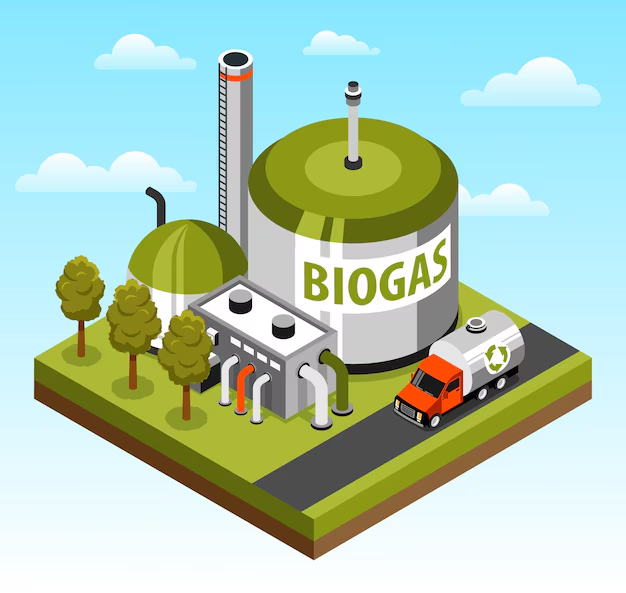
Biogas is a gas mixture that occurs when organic waste rots in oxygen-free environment (anaerobic digestion). Biogas formation occurs naturally for example in landfills, but in biogas plants it is produced in a controlled and efficient way from waste streams that would often be unused.
Microbes need warm conditions, so the biowaste is heated to around 37 °C. The actual biogas production takes place through anaerobic digestion in large tanks for about three weeks. In the final stage, the gas is purified (upgraded) by removing impurities and carbon dioxide.
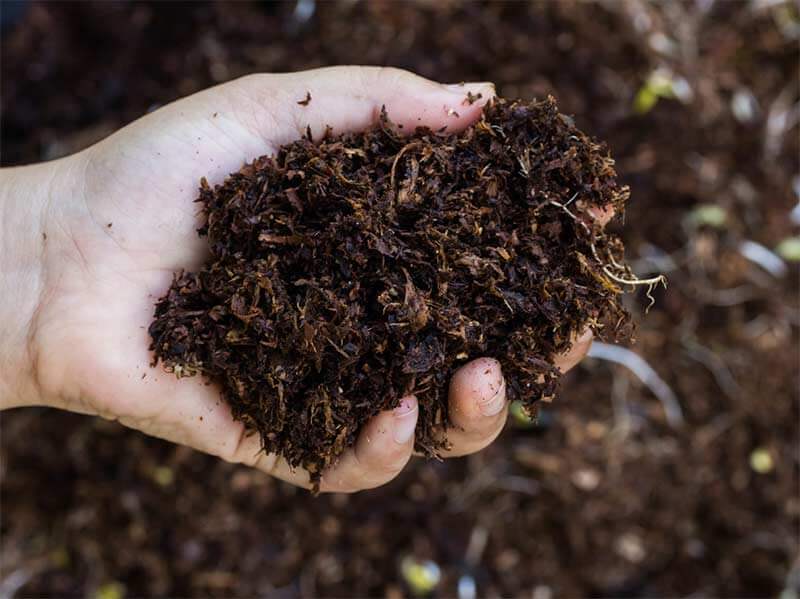
Biogas is a gas mixture that occurs when organic waste rots in oxygen-free environment (anaerobic digestion). Biogas formation occurs naturally for example in landfills, but in biogas plants it is produced in a controlled and efficient way from waste streams that would often be unused.
Microbes need warm conditions, so the biowaste is heated to around 37 °C. The actual biogas production takes place through anaerobic digestion in large tanks for about three weeks. In the final stage, the gas is purified (upgraded) by removing impurities and carbon dioxide.

Waste product craft, also known as upcycling or recycled crafts, is the practice of creating new, useful, or decorative items from materials that would otherwise be considered waste. This form of crafting emphasizes sustainability and creativity, turning discarded items into valuable products, thereby reducing waste and environmental impact.
Fill this form, our team will collect your Donation or Wastage from your place.